Practical Chemistry for Better Fluid Decisions
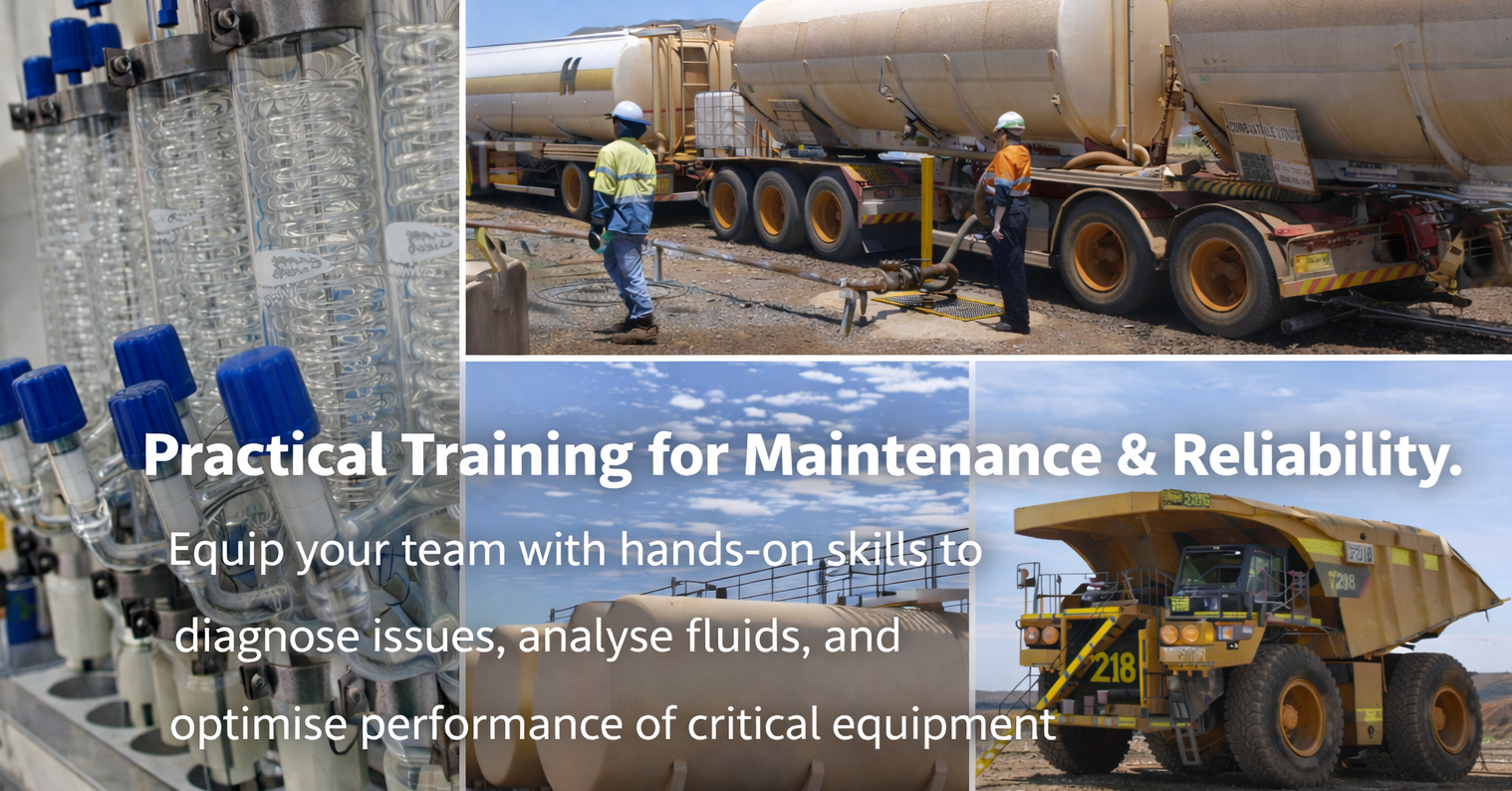
Plastilube delivers practical, interactive training in the chemistry of lubricants, coolants, and fuel additives—helping maintenance, engineering, operations, QC/R&D, and technical sales teams move from trial-and-error approaches to fluid design, testing, selection, and management to informed, chemistry-based decisions.
We train QC and R&D chemists, maintenance and reliability engineers, operations teams, and technical sales professionals to understand how fluid composition influences performance, why failures occur, and how correct selection, application, and monitoring improve equipment reliability, workplace safety, and overall system performance.
The depth and emphasis of chemistry covered are tailored to the needs of each role. Training for QC and R&D chemists focuses on formulation chemistry, mechanisms, and data interpretation; training for maintenance, engineering, and operations personnel emphasises practical application, failure mechanisms, and condition monitoring; and training for technical sales professionals focuses on understanding chemistry sufficiently to support correct product selection, communication, and risk-aware recommendations.
Our training helps teams to:
Understand the underlying chemistry
Select the right product for the application
Implement effective fluid monitoring programs
Fix the real problem—not just the symptom
Plastilube’s Mission

Our mission is to provide practical, independent training in the fundamental chemistry of lubricants, coolants, and fuel additives, supporting informed product decision-making, effective failure investigation, and improved asset reliability across industrial, manufacturing, and regulated environments.