Training Services
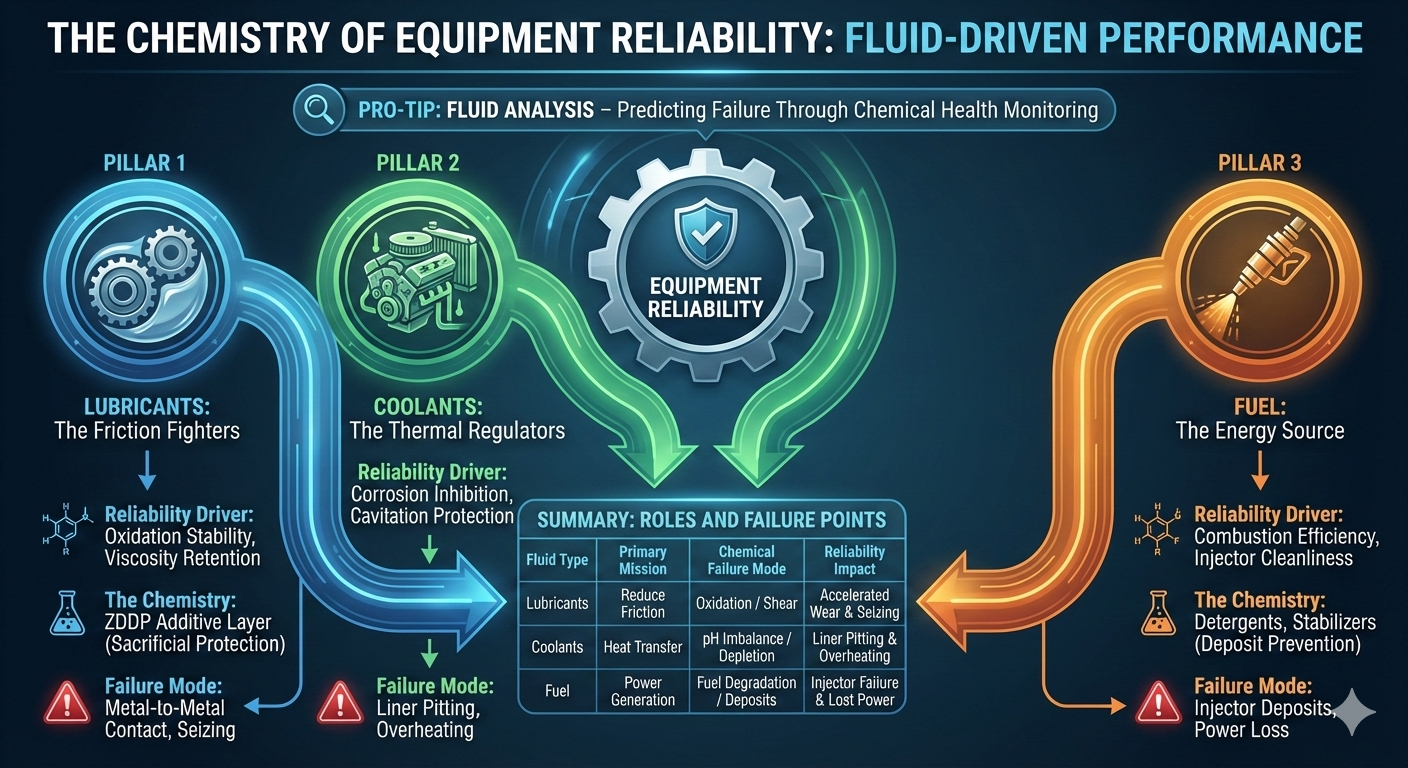
Plastilube delivers practical, interactive training in the chemistry of lubricants, coolants, and fuel additives—helping technical and operational teams make informed product selections and resolve fluid-related problems at their source.
We train QC and R&D chemists, maintenance and reliability engineers, operations teams, and technical sales professionals to understand how fluid composition influences behaviour, why failures occur, and how correct selection, application, and fluid monitoring improve equipment reliability, workplace safety, and overall system performance.
Our training helps teams to:
Understand the underlying chemistry
Select the right product for the application
Implement effective fluid monitoring programs
Fix the real problem—not just the symptom
Coolant Chemistry Training
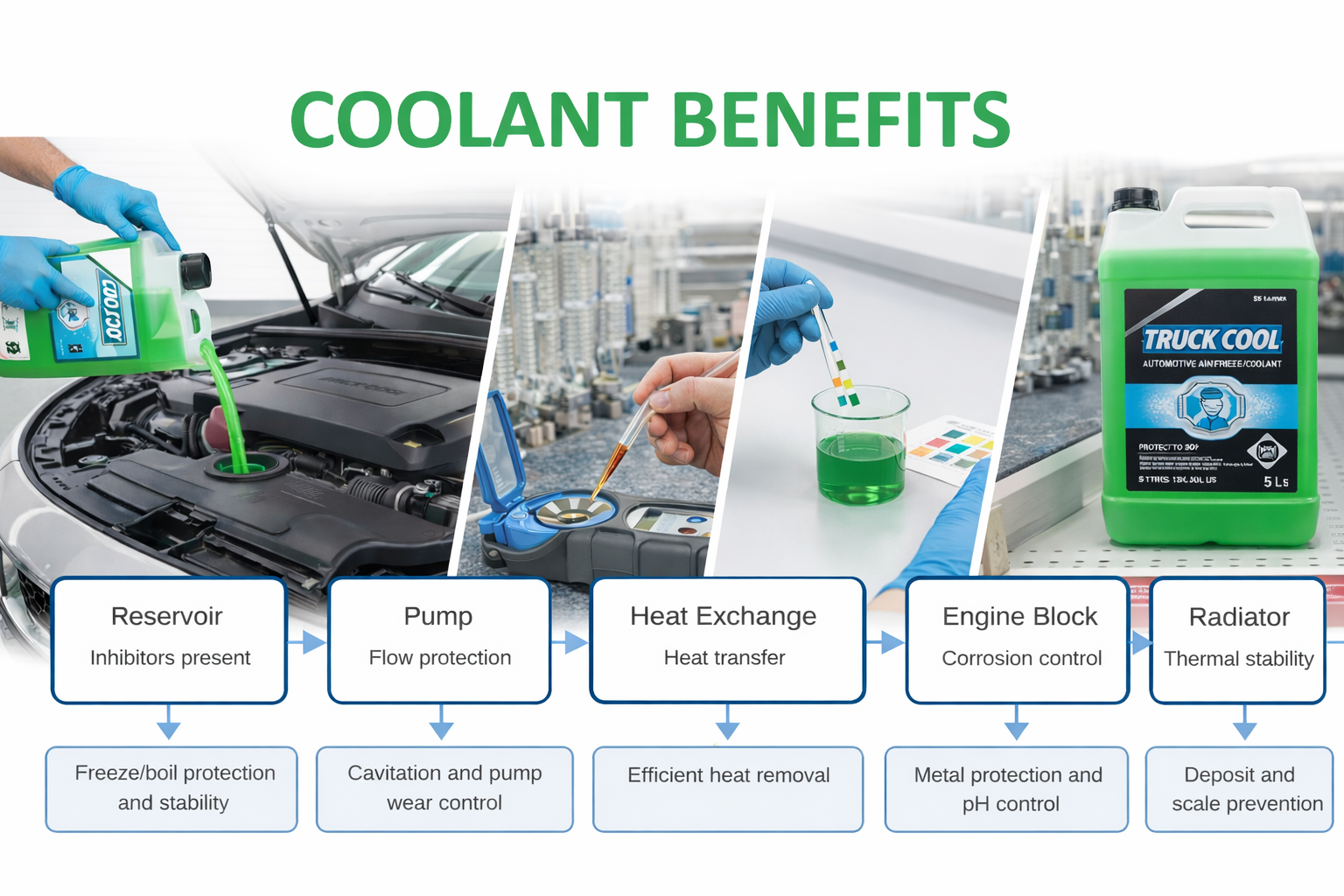
This training covers the chemistry, performance, monitoring, and failure mechanisms of automotive engine cooling systems, including:
Coolant types, base fluids, and formulations
Concentrates versus ready-to-use products
Corrosion inhibitors (inorganic and organic technologies)
Additives, including buffers, chelators, antifoams, dyes, and stabilisers
Cooling system materials and compatibility
Corrosion mechanisms, including stray-current corrosion
Coolant degradation and condition monitoring
Coolant testing and laboratory analysis
Life-cycle management and maintenance strategies
Training also explains industry laboratory performance tests—including ASTM corrosion, cavitation, and simulated service methods—and how test results should be interpreted in practical operating contexts.
Fuel Quality & Fuel Handling Training
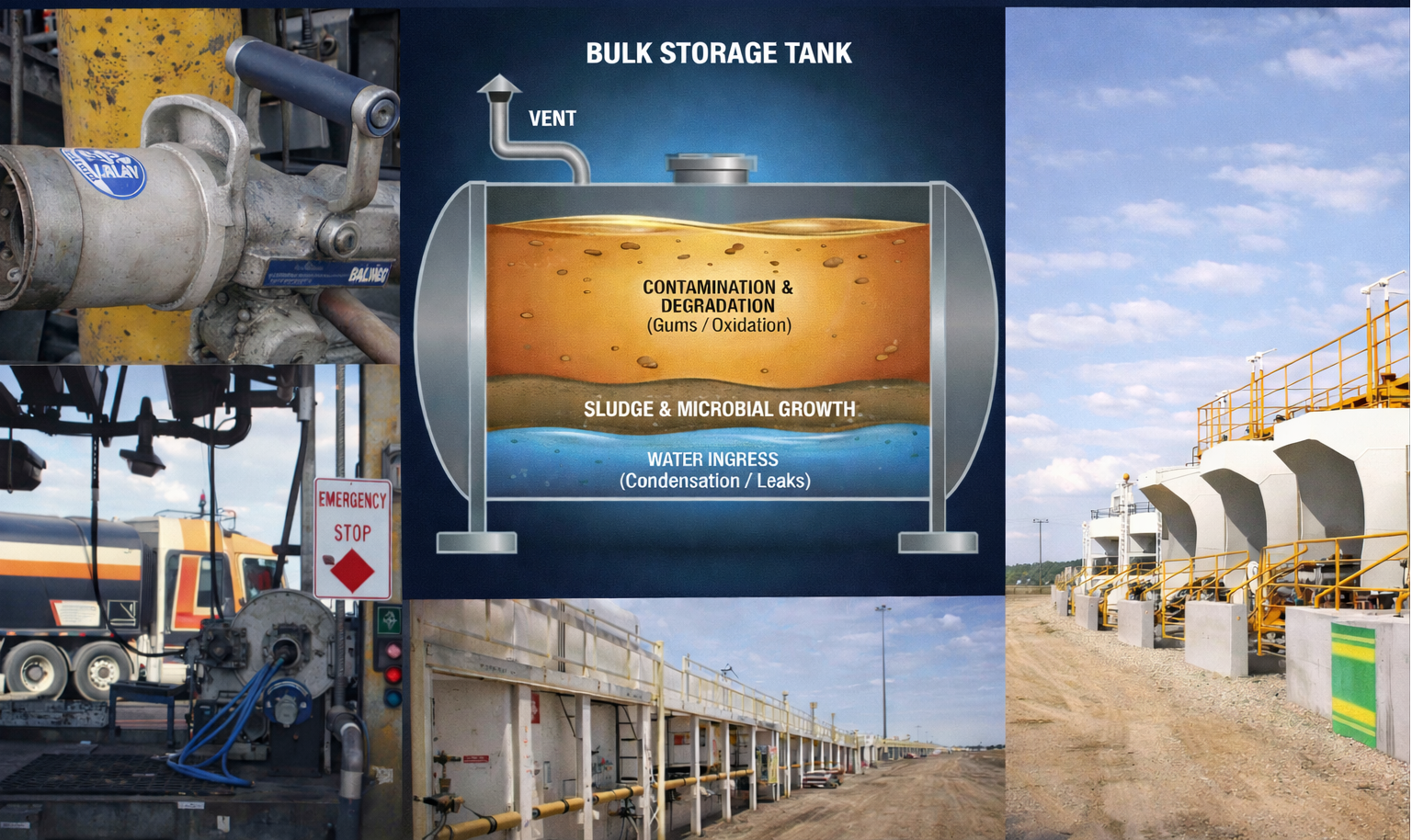
This training builds client understanding of fuel chemistry, composition, and operational risk across petrol, diesel, biodiesel, and renewable fuels, including:
Hydrocarbon structures and fuel properties
Refinery, blending, and distribution considerations
Fuel stability, contamination, and storage-related issues
Biodiesel chemistry, manufacture, and key properties
Common biodiesel-related operational risks
Renewable diesel and alternative fuel pathways
Australian fuel standards and approvals
Fuel quality assurance and housekeeping practices
Training also covers fuel sampling practices, the role of independent third-party analytical laboratories, and the selection and interpretation of laboratory tests used to assess fuel condition and fitness for use. This includes testing for water contamination, microbial growth, sediment and particulates, oxidation and stability, and compliance with applicable fuel standards.
Fuel Additives & Treatment Chemistry Training
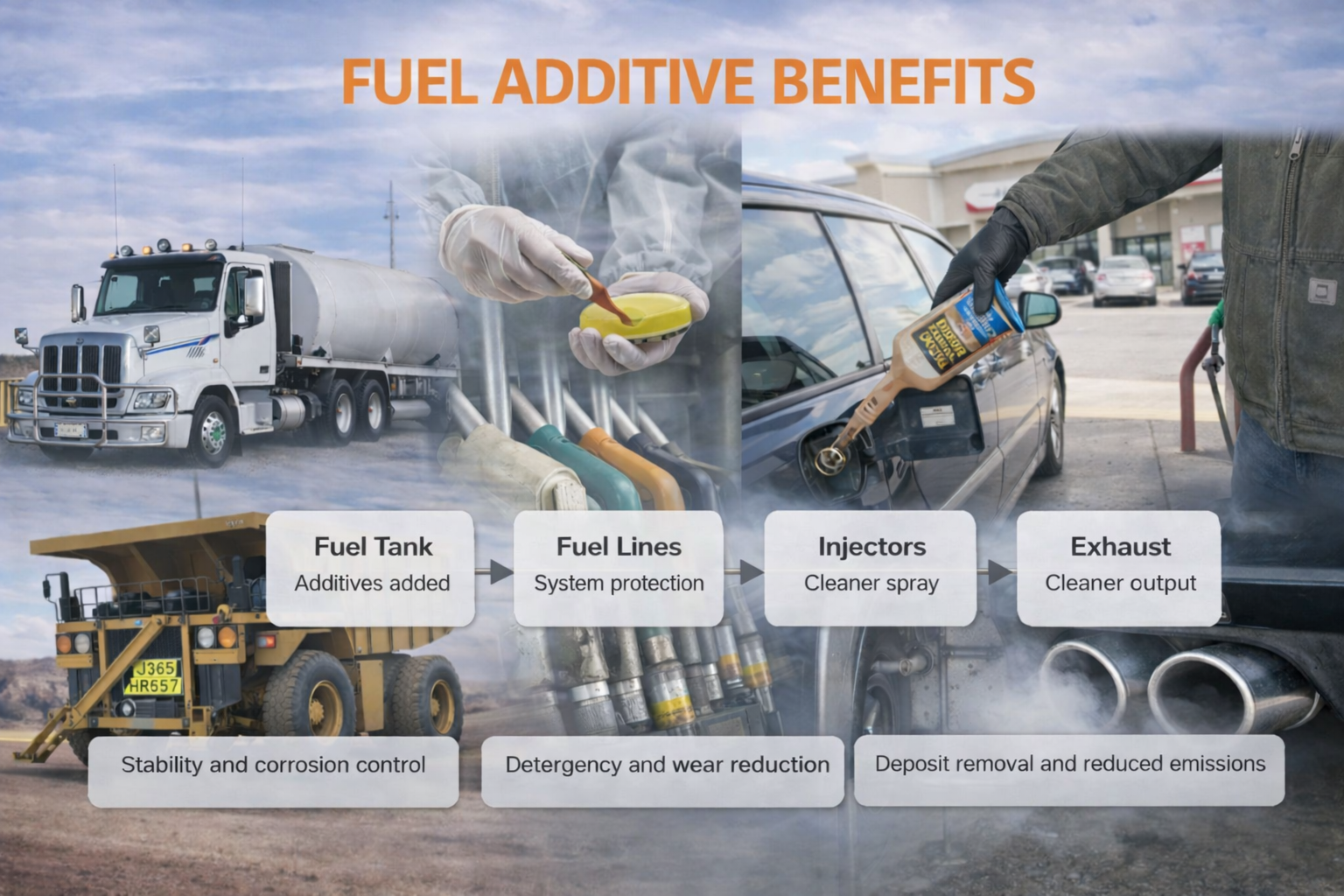
Independent training on the function, limitations, and risks associated with fuel additives, including:
Additive types used in refining, distribution, and vehicles
Detergents, corrosion inhibitors, antioxidants, and metal deactivators
Cold-flow improvers, lubricity agents, antifoams, antioxidants, and stability additives
Deposit-control chemistry and engine testing
Injector cleanliness and fuel system performance
DPF systems, SCR, and DEF/AdBlue chemistry
Biocides and microbial contamination control
Surfactants and emulsions for chemical water management in fuels
Emphasis is placed on correct application, misapplication risks, and realistic expectations of additive performance.
Training also addresses additive evaluation in practice, including fuel sampling, engagement with independent third-party analytical laboratories, interpretation of laboratory and engine test data, and the design of controlled field trials to assess additive effectiveness, compatibility, and unintended consequences under real operating conditions.
Introduction to Lubricant Chemistry
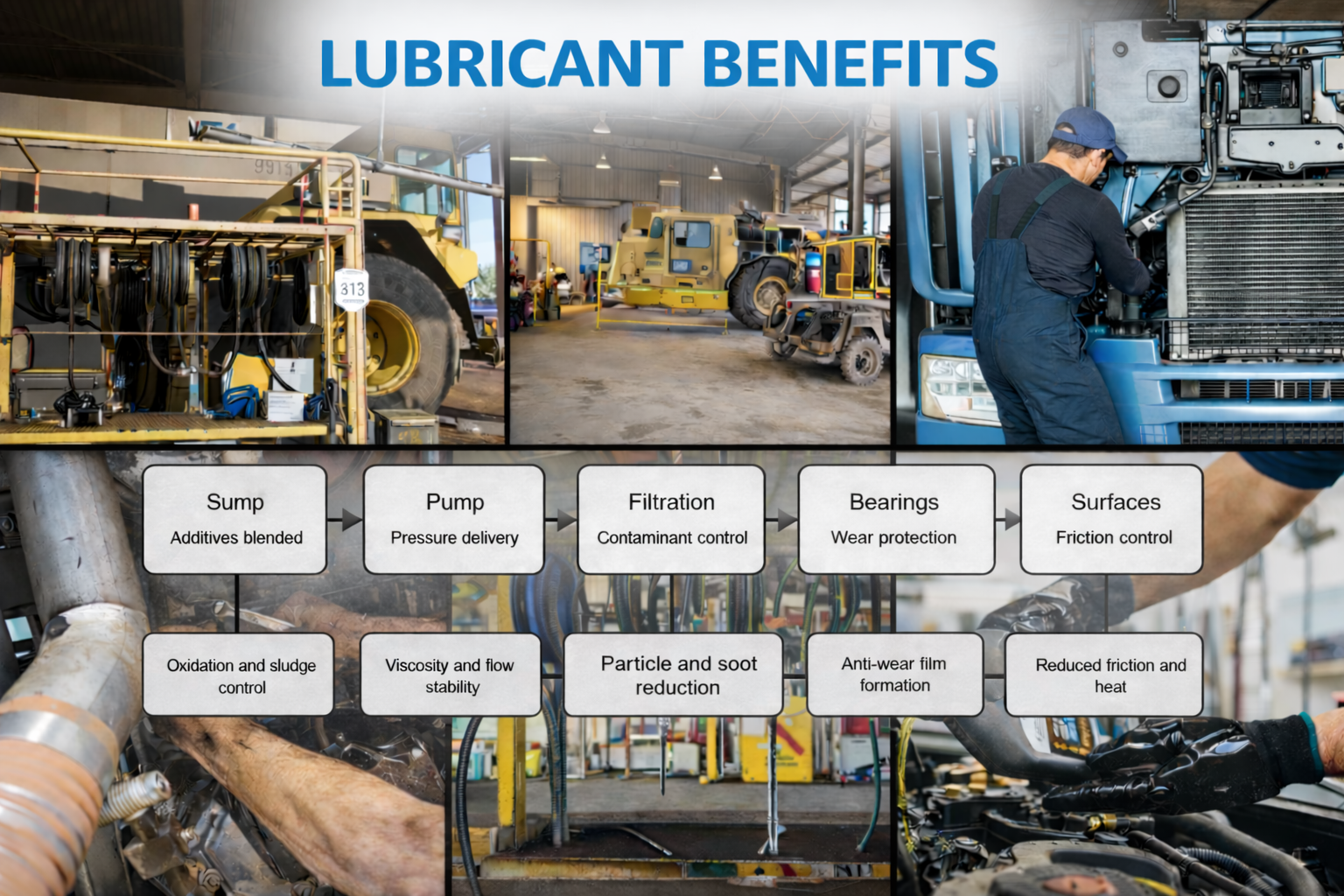
Plastilube offers introductory training in lubricant chemistry designed to provide a clear chemical foundation for later application-focused and failure-analysis training. The course helps participants understand how lubricants are formulated, how additives function and interact, and how chemistry underpins the results of condition monitoring and oil analysis programs.
Foundational training covers:
Base oil groups and key properties
Lubricant formulation principles
Additive functions and interactions
Detergents, dispersants, and antioxidants
Anti-wear, extreme-pressure, and friction-modifier chemistry
Viscosity modifiers and performance packages
The training is designed for engineers, chemists, and technical staff who require a practical working understanding of lubricant chemistry without unnecessary academic complexity.
Training also addresses lubricant sampling, engagement with independent third-party analytical laboratories, interpretation of laboratory data, and the design of controlled field trials to assess lubricant effectiveness and suitability in service.